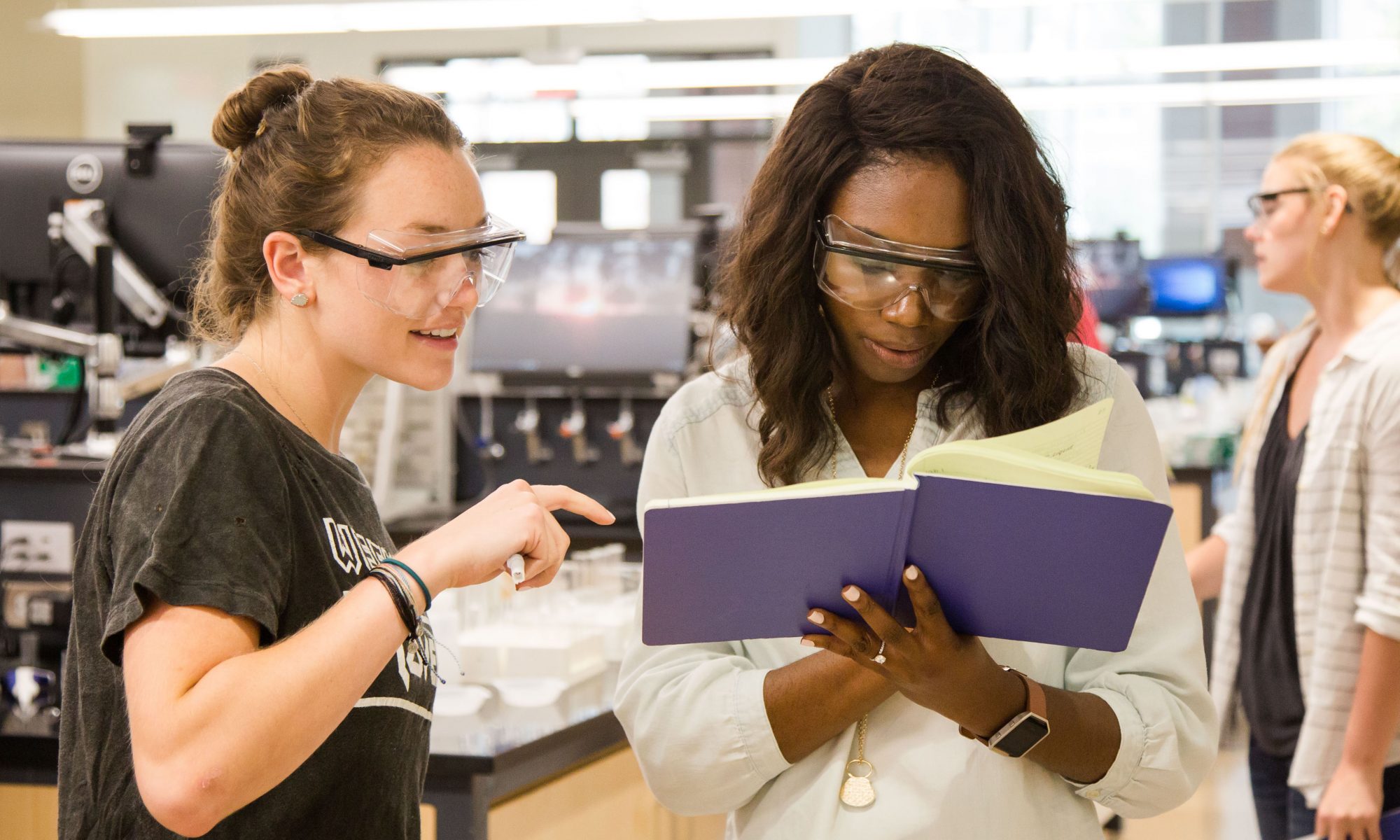
The College of Liberal Arts and Sciences recognizes that undergraduate students’ academic and professional interests may lie within more than one discipline. As interdisciplinary approaches, research, and curricular activities increasingly shape academia, the college is pleased to offer the opportunity for students to develop their own interdisciplinary program of study or embark on one of our established interdisciplinary concentrations.
Students whose academic and/or professional interests are not met by a traditional academic department may apply to the IDS Program through the Dean’s Office. IDS applicants can initiate and design an individualized interdisciplinary program of study with the help of at least two (2) tenured or tenure-accruing faculty sponsors.
Interdisciplinary majors may also graduate with honors recognition. Requirements are the same as for departmental majors, with the additional provision that magna cum laude or summa cum laude recognition must be recommended by two members of the student’s supervisory committee (including the principal supervisor), who will affirm that the student conducted an individual project in IDS 4906 (or equivalent).
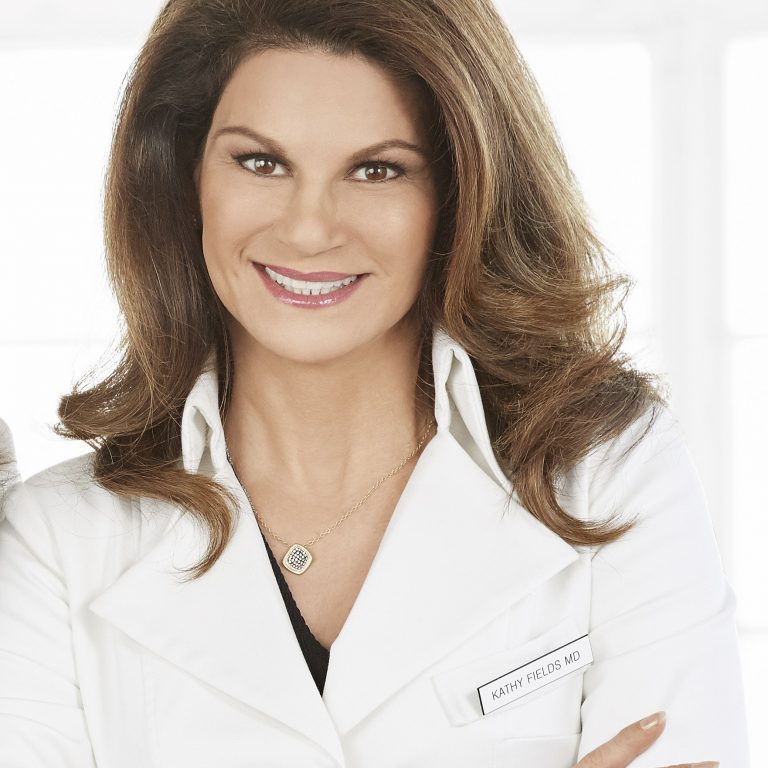
Overnight success took years. Good thing I paid attention in chemistry.
Kathy Fields is the founder of Proactiv and Rodan+Fields, top skincare brands in the U.S. At UF, she spent long hours in the lab for a neurobiochemistry degree. Using her interdisciplinary knowledge, she and her partner Katie Rodan created science-based skin care products.Read More

I don’t want to limit myself. I want to experience how science is around the world.
Phillip Dmitriev is a Frost Scholar studying for his Master’s at Oxford. He majored in microbiology and neurobiological sciences, and he plans to become a physician specializing in cognitive disorders. Dmitriev is the eighth student in UF’s College of Liberal Arts and Sciences to be named a Frost Scholar. Read More
In addition to the established concentrations below, students may design a customized course of study in consultation with faculty advisors relevant to the interdisciplinary thesis project. If interested in this option, students should first contact the associate dean for IDS majors, Margaret Fields.
View a general list of concentrations, or select a concentration below for more information:


Before applying, please review all requirements and information for students.
Application Deadlines
Fall
First Submission: September 15
Second Submission: November 1
Spring
First Submission: February 1
Second Submission: March 15
Note: If the application deadline falls on a weekend or holiday, please submit the next open weekday.
Minor in Interdisciplinary Studies
The College of Liberal Arts and Sciences also offers an IDS minor in any of the established concentrations. You do not need to be an IDS student in order to apply, but please note that some majors preclude certain minors.
Learn more and apply at Academic Advising Center in Farrior Hall.